A successful glass production operation involves many stages, but glass tempering is often considered the most significant. Whether you’re producing glass for architectural, automotive, or household applications, understanding the glass tempering process is key to ensuring your finished glass products are both durable and safe. In this blog, we’ll guide you through the glass tempering process from start to finish, highlighting the importance of each step and why it matters for your business.
What is Glass Tempering?
Glass tempering is a heat treatment process designed to increase the strength and safety of glass products. For this Blog, we will focus on heat treatment. We will follow up with Chemical tempering in another blog. During this process, the glass is heated to high temperatures and then rapidly cooled. This rapid cooling, known as quenching, puts the outer surfaces of the glass into compression while the interior remains under tension.
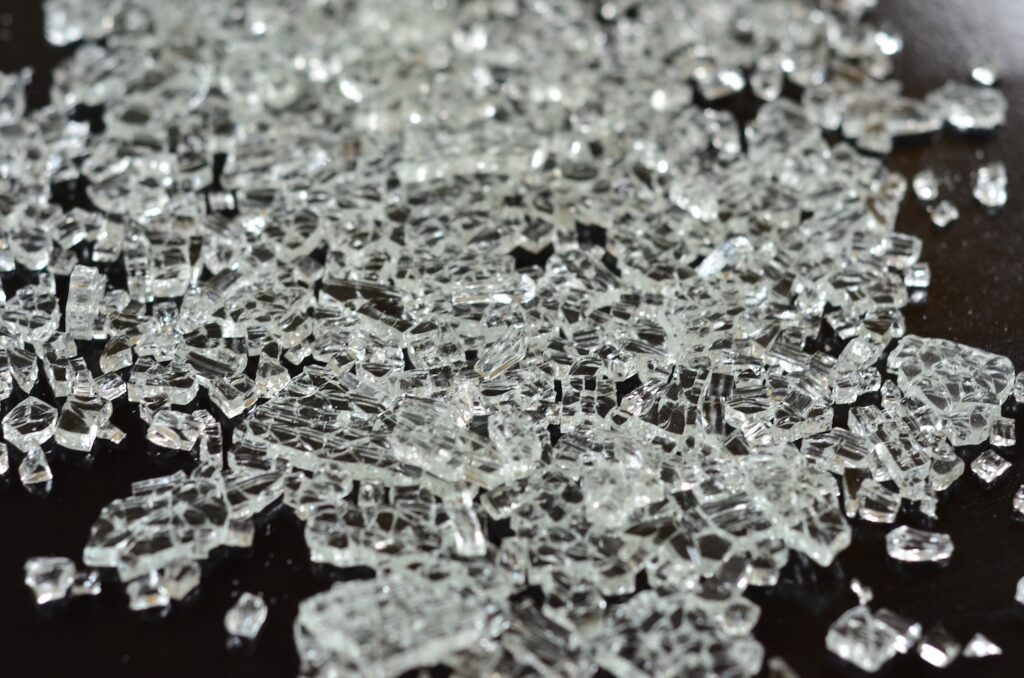
This balance makes tempered glass four to five times stronger than untreated glass. The process also ensures that, if broken, the glass shatters into small, blunt pieces rather than sharp shards, significantly reducing the risk of injury.
The Production Process for Tempered Glass
1. Preparation & Inspection
The tempering process begins with meticulous preparation and inspection of the glass sheets. Any dirt, debris, or imperfections in the glass can compromise the tempering process, so it’s essential to start with a clean and flawless piece of glass. This step involves thorough cleaning and detailed inspection to identify and address any micro-cracks or defects that could lead to breakage during the tempering process.
2. Glass Heating
After the glass is prepped and inspected, it’s time for the heating process. The glass is placed in a tempering furnace, where it is heated to temperatures ranging between 1130°F and 1185°F (610°C to 640°C), depending on the thickness of the glass. The goal here is to heat the glass evenly across its surface to just below its softening point. Uneven heating can lead to deformation or visible damage, especially with coated glass products, which require careful handling.
3. Rapid Cooling (Quenching)
Once the glass has reached the desired temperature, it undergoes rapid cooling or quenching. During this process, cool air is blown onto the glass surfaces using high-pressure nozzles. This rapid cooling causes the outer surfaces of the glass to compress, while the interior remains under tension. This combination of compression and tension is what gives tempered glass its remarkable strength and safety characteristics.
Benefits of Tempered Glass
1. Safety Features
One of the primary benefits of tempered glass is its safety. When broken, tempered glass shatters into small, blunt pieces that are less likely to cause injury, making it ideal for use in environments where safety is a concern, such as automotive glass, building glass, and household glass items.
2. Increased Strength
Tempered glass is about four to five times stronger than ordinary glass, allowing it to withstand greater impact and pressure. This enhanced strength makes it suitable for demanding applications, including architectural glass structures and automotive glass windows.
3. Thermal Resistance
Another significant advantage of tempered glass is its thermal resistance. Tempered glass can withstand temperature fluctuations better than other types of glass, making it an excellent choice for areas exposed to extreme heat or cold, such as oven doors, shower doors, and certain types of windows in architectural designs.
Applications of Tempered Glass
1. Architectural Applications
In the world of architecture, tempered glass is a common material choice for windows, doors, and facades. It is particularly well-suited for exterior applications where large areas of glass are used, as it can withstand wind pressure, thermal stress, and impact, ensuring both safety and durability in building glass installations.
2. Automotive Industry
Tempered glass plays an important role in the automotive industry, where it is used for side windows and rear windows. Unlike laminated glass, which is typically used for windshields, tempered automotive glass breaks into small, blunt pieces upon impact, reducing the risk of injury during accidents.
3. Household Items
In everyday household items, tempered glass is frequently used in shower doors, refrigerator shelves, and glass tabletops. Its strength and safety features make it ideal for areas where glass is exposed to impact or temperature changes, ensuring the durability of household glass products.
Comparing Glass Annealing vs. Tempering
Glass annealing is a distinct process primarily focused on stabilizing the glass by slowly cooling it to relieve internal stresses that develop during its formation. This gradual cooling helps prevent warping or cracking, making the glass more stable over time.
Unlike tempering, which enhances the strength and safety of glass, annealing does not provide additional durability. Instead, annealed glass remains more pliable and is less resistant to impact, making it suitable for applications where stability is essential, but high impact resistance is not required.
This makes annealed glass ideal for uses like decorative glassware or glass that will undergo further processing, but less appropriate for high-stress environments where safety is a concern.
Common Mistakes in the Glass Tempering Process
1. Insufficient Heating
One common mistake in the glass tempering process is insufficient heating. If the glass is not heated to the correct temperature, it will not develop the necessary internal stresses, resulting in a weaker final glass product.
2. Improper Cooling
Improper cooling during quenching is another frequent error. If the glass is not cooled evenly or quickly enough, it can lead to deformation, visible flaws, or reduced strength, compromising the safety and durability of the tempered glass product.
Innovations in Glass-Tempering Technology
Recent advancements in glass tempering technology have made the process more efficient and reliable. Modern tempering furnaces now feature better control systems and convection air flow and direction that ensure faster even heating across the material with better temperature monitoring. Additionally, new temperable coatings on glass allow for a wider range of applications without compromising the durability or safety features of tempered glass products.
Why Choose FGE Solutions for Your Tempered Glass Needs?
For all your tempered glass requirements, look no further than FGE Solutions. We pride ourselves on delivering top-quality glass products tailored to meet your specific needs. Our state-of-the-art tempering machines and strict adherence to quality standards at every phase of production ensure that each piece of glass we produce meets industry benchmarks for excellence in performance and reliability.
With over 100 years of Industry experience and a lasting commitment to quality, trust FGE Solutions to deliver exceptional glass products. Contact us today to learn more about how we can support your operations.
[/et_pb_text][/et_pb_column] [/et_pb_row] [/et_pb_section]