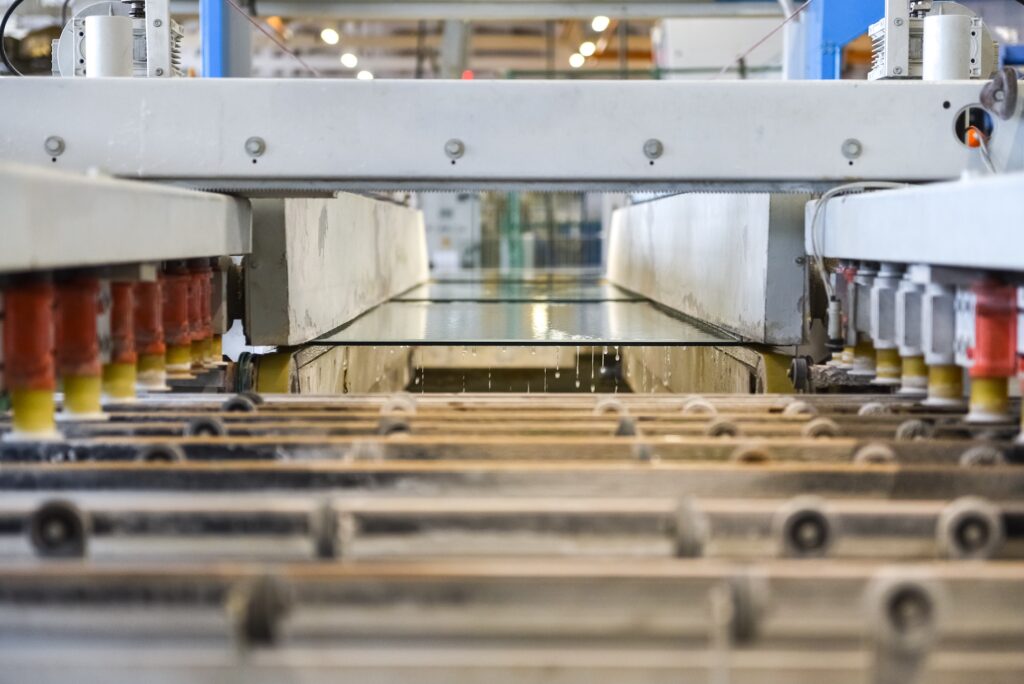
Running a successful glass fabrication business involves countless details, from the quality of your glass machinery to the efficiency of your production processes. Amongst these varied details and processes, choosing the right industrial coolant filtration system is often overlooked but can significantly impact your operations. The right filtration system ensures the longevity of your equipment and the quality of your finished glass products. We’ll explain how you can choose the best coolant filtration system tailored for your business.
The Importance of Industrial Coolant Filtration Systems
Coolant filtration systems help maintain the health of your glass machinery and the quality of your production. They also improve the edge quality of finished glass. These systems remove contaminants from the coolant, which can include glass particles, metal shavings, and other debris produced during the machining process. By filtering out these impurities, you can prevent wear and tear on your machinery, reduce maintenance costs and downtime, and improve the overall efficiency of your operations, all while improving the edge quality of the finished glass.
Coolant Filtration in Glass Machinery and Automation Solutions
In the context of glass machinery and automation solutions, coolant filtration plays a vital role. The contaminants that accumulate during processes like glass cutting, engraving, and grinding can lead to significant wear and damage if not properly managed. An effective coolant filtration system can help extend the life of your glass edging machinery and all the coolant pumps by keeping the coolant clean and free from harmful particles.
Acknowledging the Specific Needs of the Glass Industry in Filtration Systems
The glass industry has unique needs when it comes to filtration systems. Given the specific types of contaminants involved, standard filtration systems used in other industries may not be adequate. For instance, glass particles are particularly abrasive and require specialized filtration solutions. Meeting these unique requirements is essential for choosing a filtration system that will effectively support your glass production machinery.
Assessing Your Needs
Determining the Type of Machinery and Processes in Use
The first step in selecting the right coolant filtration system is to assess the type of machinery and processes you have in place. Different processes, such as glass grinding, drilling, CNC routing, and laser engraving on glass, generate different types and quantities of contaminants.
The cleanliness of the recirculated coolant is more important if the coolant is being recirculated to supply internal spindles on CNC milling/edging machinery, it must meet a higher standard of cleanliness because the coolant is passing through expensive spindles rotating at high speed. Identifying these specifics will guide you in choosing a filtration system that meets your operational needs.
Evaluating the Volume of Glass Stock Removal in Production
Consider the volume of glass stock removal in your production. High-volume operations will produce more contaminants and therefore require a more robust filtration system. On the other hand, smaller operations might suffice with a less intensive solution.
Types of Coolant Filtration Systems
Overview of Various Filtration Systems Available
There are several types of coolant filtration systems available, each suited for different applications within the glass industry. Common types include:
- Mechanical Filtration Systems: These use physical barriers, like screens or filters, to remove contaminants.
- Add Filter Media Systems: These involve adding flocculant or flocking agent to the coolant in order to attract and bind contaminants, which are then filtered out. Flocculant is expensive and can be toxic.
- Centrifugal Filtration Systems: These use centrifugal force to separate contaminants from the coolant.
Suitability of Different Glass Production Methods
Each type of filtration system has its strengths and weaknesses. Centrifuge systems are typically effective for removing larger particles; however, the rotating shaft bearings in a silica slurry require regular maintenance, and the centrifuge may struggle to capture very fine contaminants. Adding filter media systems can be more effective for finer particles but might require more frequent media replacement and monitoring PH of the coolant. Centrifugal systems struggle to handle small particle sizes. They are less effective as the particle sizes decrease.
Advantages and Disadvantages of Each System Type
- Mechanical Filtration: Simple and cost-effective but may miss very fine particles.
- Add Filter Media: Effective for fine particles but requires regular media changes PH and chemical monitoring.
- Centrifugal Filtration: Highly efficient and versatile but can be costly. They can be less effective as the particle sizes decrease.
Key Features to Look For
Filtration Efficiency and Micron Ratings
When choosing a filtration system, consider the filtration efficiency and micron rating. A higher micron rating means the filter can capture smaller particles, which is important for maintaining the cleanliness of your coolant.
Maintenance Requirements and Ease of Use
Look for systems that are easy to maintain and use. Complicated systems might lead to downtime and require specialized knowledge to operate.
Compatibility with Existing Glass Machinery and Tools
Ensure the filtration system you choose is compatible with your existing machinery and tools. This can prevent potential operational issues and additional costs for modifications. It is also important to match the coolant volume and flow rate with the filter.
Cost Considerations and Long-Term Savings
While the initial cost is an important factor, consider the long-term savings a high-quality filtration system can provide. Reduced downtime, lower maintenance costs, and extended machinery life can all contribute to significant savings over time.
Benefits of a High-Quality Filtration System
Prolonging the Life of Glass Machinery and Diamond Tools
A high-quality filtration system can significantly prolong the life of your glass machinery by preventing wear and tear caused by contaminants.
Improving the Quality of Finished Products
Clean coolant leads to better-quality finished products by reducing the chances of defects caused by contaminants.
Enhancing the Efficiency of Glass Production Processes
Efficient filtration systems can improve the overall efficiency of your production processes, leading to higher productivity and better use of resources.
Reducing Downtime and Maintenance Costs
By keeping your machinery in good condition, a good filtration system can help reduce downtime and maintenance costs, ensuring smooth and continuous operations.
Work with FGE Solutions for Custom Glass Solutions and Filtration Needs
FGE Solutions is your trusted partner for custom glass solutions and filtration needs. We offer top-of-the-line machinery and continuous support to optimize the performance of your system. With over 100 years of Industry experience and a lasting commitment to quality, we offer innovative solutions designed to enhance the efficiency and longevity of your glass machinery. For further guidance and solutions, connect with FGE Solutions today. Let us help you optimize your glass production processes and achieve your operational goals.