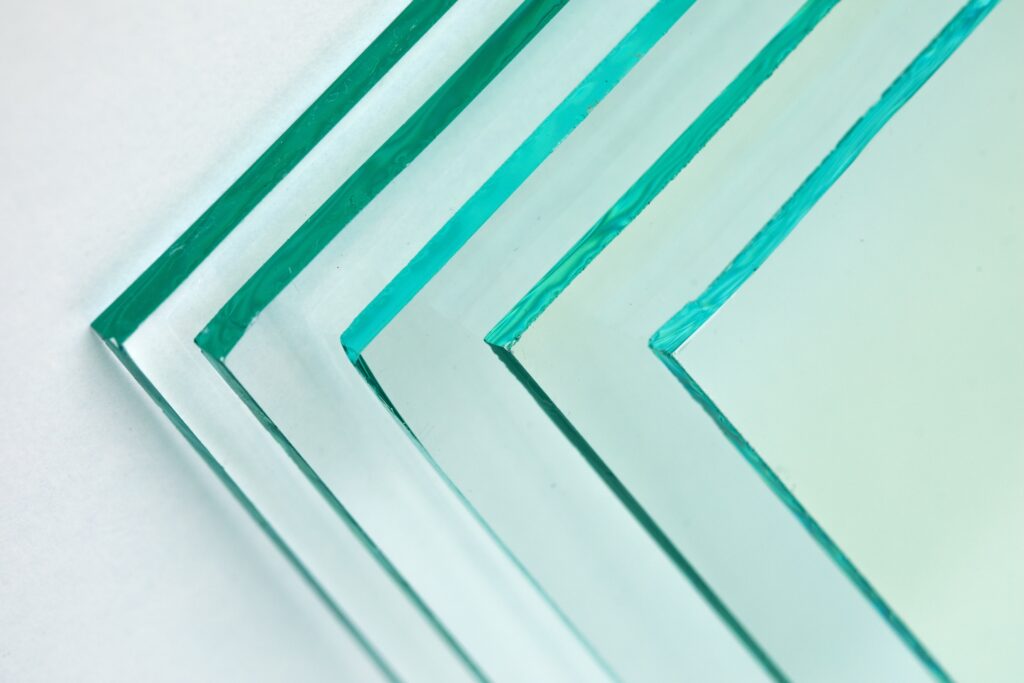
Glass edging, whether by hand, vertical edger, or CNC, is crucial for removing sharp, raw edges. This step enhances the safety and durability of the glass, protecting it from chipping and ensuring it’s ready for tempering or other mechanical functions.
Without proper edge grinding, the sharp edges of glass become a hazard and weaken its overall structure, increasing the likelihood of breakage.
For those working with glass in industries like architecture or interior design, grinding the edges correctly for both aesthetics and performance is essential.
At FGE Solutions, we understand how precise glass edge grinding can transform a project. It’s more than just removing sharp edges—it’s about ensuring your glass is polished, strong, and ready for use.
This guide will walk you through the step-by-step process, showcasing the best glass grinding tools and machinery to achieve optimal results.
Why Is Edge Grinding Important for Glass?
Safety and Durability
Edge grinding is essential for removing the sharp, dangerous edges of the glass. These sharp edges pose a significant safety risk during handling and installation. By smoothing out these edges, glass becomes safer to work with and less prone to breaking.
Research has shown that properly ground glass edges can be up to 40% stronger than untreated edges
High-Quality Finish
Rough, unpolished glass edges look unfinished and can detract from the glass’s visual appeal. A polished edge gives the glass a professional look, enhancing its overall quality.
With FGE Solutions’ advanced glass edge grinding machines, you can achieve consistently smooth, professional finishes that elevate the aesthetic of any glass product.
Preparation for Further Processing
Ground glass edges are better prepared for further processes such as drilling or polishing. Proper edge grinding is essential to remove any micro fractures or inconsistencies, setting a solid foundation for further processing like drilling or polishing.
This attention to detail prevents issues later in the production line, ensuring a consistent, high-quality outcome. At FGE Solutions, our specialized glass grinding tools are designed to handle this step efficiently, reducing time and ensuring perfect edges.
The Step-by-Step Glass Edge Grinding Process
Preparing the Glass for Grinding
Before beginning the grinding process, clean the glass thoroughly and inspect it for any existing cracks or imperfections. These defects should be addressed before moving forward to avoid exacerbating them during grinding.
The glass needs to be securely clamped to ensure it doesn’t shift during the grinding process. FGE Solutions provides advanced clamping machinery that securely holds glass in place during grinding, offering a safe, precise operation that prevents shifting or damage during the process.
Selecting the Right Grinding Tools and Equipment
Different types of glass require specific grinding wheels and equipment. For thicker glass, a diamond grinding wheel is ideal for quick, efficient grinding, while thinner glass may require more precision with finer abrasives.
A notable example is a manufacturer who switched to our Vortx Metal Bond Diamond Cup Wheels, reducing their process time by 66% and grinding costs by 30%. By choosing the right grinding tools, manufacturers can significantly improve efficiency.
FGE Solutions provides a wide range of diamond grinding wheels to ensure that every edging project has the right too for the job.
Grinding the Edges
Once the glass is prepped and the tools are selected, the grinding process can begin. The goal is to smooth out any sharpness on the edges while maintaining the structural integrity of the glass. FGE Solutions’ edge grinding machines provide consistent, precise results with each pass, ensuring smooth, safe edges.
Proper coolant systems are essential in the grinding process to manage the high heat generated, as overheating can lead to cracks. FGE Solutions’ equipment integrates advanced coolant systems to maintain optimal glass quality.
This setup proved effective in a Vortx case study, where efficient cooling boosted production by 297 pieces per shift.
Smoothing and Polishing the Edges
After grinding, the glass edges need to be polished for a refined, professional look. This involves using finer abrasives or polishing belts to achieve a smooth, glossy finish.
Polishing not only enhances the glass’s aesthetic appeal but also adds to its strength.
A study on the impact of glass edge polishing found that the process must be carefully controlled to maintain both strength and appearance
At FGE Solutions, our polishing and felt wheels are designed to provide the highest quality finish, whether you need a sleek, modern edge or a softer, more decorative look.
Final Inspection and Quality Control
After polishing, a final inspection is conducted to ensure the glass edges meet safety and quality standards. The edges should be checked for smoothness and consistency, and any imperfections should be touched up using polishing pads.
Our range of inspection tools at FGE Solutions ensures that the glass is ready for installation or further processing, meeting both aesthetic and structural requirements.
Different Types of Edge Grinding Finishes
The type of edge finish you choose depends on the specific needs of your project:
- Flat Edges
This clean, straight edge is often used in commercial applications like windows and architectural designs, providing a sleek, modern look. - Pencil Edges
Pencil edges are rounded and smooth, offering a softer appearance that’s often seen in decorative glass or furniture pieces. - Beveled Edges
A beveled edge provides a decorative, angled finish. This look is commonly used in mirrors or other ornamental glass applications. - Mitered Edges
A mitered edge is a precise 45-degree angle, perfect for high-end furniture or custom installations that demand both aesthetic appeal and structural precision.
At FGE Solutions, our grinding machinery and polishing tools can be adjusted to achieve any of these finishes, ensuring your glass project meets the desired specifications.
Best Practices for Safe & Efficient Edge Grinding
- Use Safety Gear and Proper Ventilation
For manual glass grinding, which can produce dust hazardous to inhale, it’s essential to wear protective gear like gloves, goggles, and dust masks. Ensure the workspace is well-ventilated or equipped with dust extraction systems. - However, FGE Solutions’ edging machines use water-based coolant systems, which not only cool the glass but also capture and filter out dust particles, recycling the glass powder for efficient dust management.
- Maintain Your Equipment
Regular maintenance of your glass grinding equipment is paramount for ensuring long-term efficiency and quality. FGE Solutions provides guidelines and maintenance tips to help keep your grinding tools in top shape, reducing downtime and ensuring consistent results.
When to Seek Professional Edge Grinding Services from FGE Solutions
For complex projects or specialty glass, seeking professional help is always recommended. FGE Solutions specializes in handling large-scale projects, providing automation systems for loading, unloading, and inspections that ensure precision and efficiency.
Our team offers extensive expertise and support, from helping you select the right machinery to provide custom solutions for unique needs. We pride ourselves on our ability to meet the most demanding glass edge grinding challenges.
Ready to elevate your glass edge grinding process? We have the tools, expertise, and support you need to achieve professional results every time. Contact us today to explore our full range of glass edge grinding solutions and take your projects to the next level.