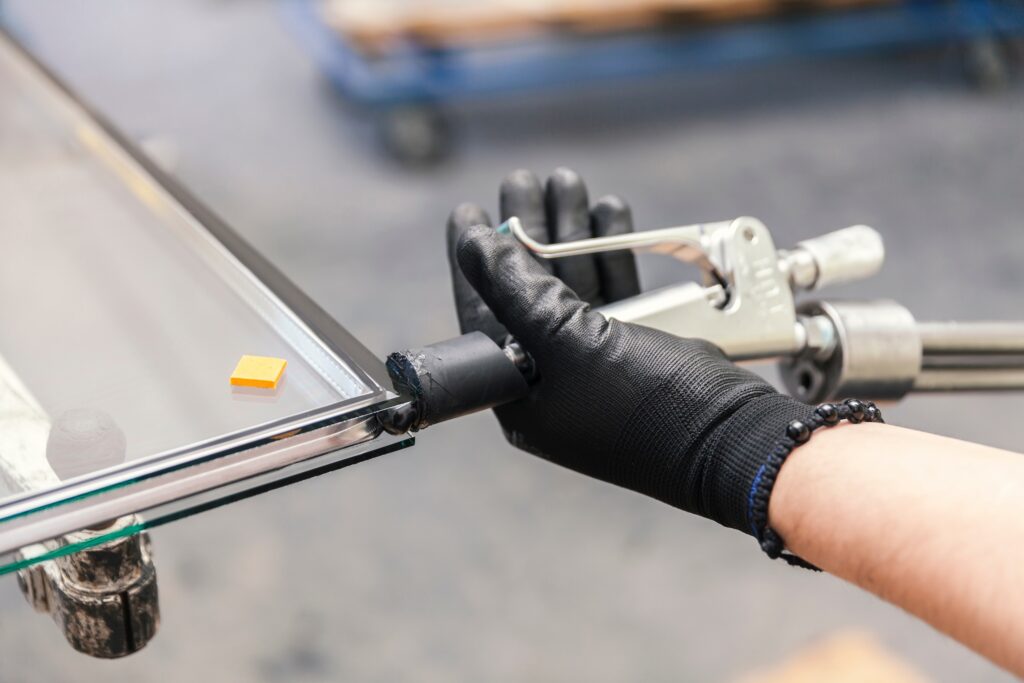
Working in a glass manufacturing plant comes with its unique challenges—operating heavy machinery, handling sharp and fragile materials, and working in high-temperature environments. These conditions, while necessary for production, demand a laser focus on safety.
Did you know that manufacturing consistently ranks as one of the industries with the highest injury rates? Glass handling, in particular, requires careful measures to prevent accidents.
The good news? Creating a safer workplace is absolutely achievable. By implementing targeted strategies, you can boost safety and efficiency without compromising productivity.
These are five actionable ways to enhance safety in your glass manufacturing plant.
1. Ongoing Safety Training for All Levels of Employees
Training is the backbone of safety in any high-risk environment, and glass manufacturing is no exception.
Regular, ongoing safety training ensures that every employee—from new hires to seasoned staff—is equipped to handle the challenges of glass production safely.
What Should Training Cover?
- Glass Handling Safety: Proper techniques for transporting, cutting, and processing glass to prevent breakage and injury.
- Machine Operation Protocols: Understanding how to safely operate and maintain machinery like glass cutters, tempering furnaces, and polishing machines.
- Emergency Response Procedures: Specific steps to handle injuries, equipment failures, or other emergencies common in glass manufacturing plants.
Incorporating ISO compliance and OSHA regulations into your training program not only keeps your plant up to standard but also reinforces a culture of safety.
Companies with regular safety training report up to 20% fewer incidents annually.
By committing to ongoing education, you set the foundation for a safer and more productive workforce.
2. Ensure High-Quality Personal Protective Equipment (PPE) Is Used Consistently
The right PPE can be a literal lifesaver in a glass manufacturing plant. However, providing it isn’t enough—consistent use and regular inspections are key.
Essential PPE for Glass Manufacturing
- Cut-Resistant Gloves: Protect hands from sharp edges and broken glass.
- Anti-Slip Footwear: Reduces the risk of slips and falls, especially in areas where water or glass dust may be present.
- Face Shields and Safety Glasses: Guard against glass shards and dust during cutting or grinding processes.
- Respirators: Essential for controlling inhalation of fine glass particles during certain stages of production.
All PPE should meet ANSI safety standards and be inspected regularly to ensure it remains effective. Remember, damaged or worn-out equipment can compromise safety just as much as not wearing it at all.
Effective PPE can reduce workplace injuries by up to 60%, especially in high-risk manufacturing settings.
Providing high-quality protective gear and encouraging consistent use helps protect your employees while maintaining smooth operations.
3. Optimize Workstation Setup and Ergonomics to Prevent Common Injuries
Ergonomics often flies under the radar, but it’s a critical aspect of safety in glass manufacturing plants.
A poorly designed workstation can lead to repetitive strain injuries, unnecessary bending or lifting, and even accidents caused by disorganized tools.
How to Create a Safer Workstation
- Ergonomic Tool Placement: Arrange tools and materials to minimize bending and stretching. For example, keep commonly used tools within easy reach.
- Hazard Zone Marking: Use clear floor signage to identify dangerous areas, such as zones around hot surfaces or heavy machinery.
- Anti-Fatigue Mats: Provide cushioning for employees standing for extended periods, reducing strain on joints and muscles.
Additionally, machine placement matters. For example, tempering furnaces and glass cutters should be spaced far enough apart to avoid crowding, which could lead to accidental contact with hot surfaces or sharp edges.
Proper ergonomic design can decrease musculoskeletal issues by up to 40% in manual labor-intensive industries like glass manufacturing.
Taking the time to optimize your workstations pays off with healthier employees and fewer lost workdays.
4. Routine Maintenance and Thorough Equipment Inspections
Machinery is the backbone of a glass manufacturing plant, but it also poses significant safety risks if not maintained properly. Routine maintenance and regular inspections are non-negotiable to prevent equipment malfunctions that could lead to injuries.
Key Maintenance Priorities
- Critical Safety Features: Regularly inspect emergency shutoff switches, temperature controls, and pressure gauges to ensure they’re functioning correctly.
- Glass Cutting Machines: Check for signs of wear on blades or belts that could cause breakdowns or accidents.
- Tempering Furnaces and Polishing Machines: Ensure all components are operating within safe parameters to prevent overheating or sudden failures.
A digital maintenance tracking system can simplify the process, helping you stay on top of inspection schedules and reducing the likelihood of human error.
Routine maintenance reduces equipment-related accidents by up to 25%, a vital step for high-risk machinery in glass plants.
By prioritizing equipment upkeep, you not only protect your workers but also ensure uninterrupted production.
5. Prioritize Safety and Encourage Open Communication
Safety isn’t just about policies and gear—it’s about mindset.
A strong safety culture empowers employees to take ownership of workplace safety, creating an environment where everyone feels responsible for their well-being and that of their coworkers.
How to Build a Safety-First Culture
- Encourage Feedback: Create clear channels for workers to report potential hazards, whether it’s a faulty machine or an unsafe workstation layout.
- Safety Feedback Loop: Act on employee concerns promptly and transparently, so workers know their input matters.
- Incentives for Safety: Reward proactive safety behaviors and celebrate milestones like accident-free days to reinforce the importance of vigilance.
Manufacturing plants with strong safety cultures have 35% fewer injuries and accidents.
When safety becomes second nature, it leads to fewer incidents, greater productivity, and higher employee morale.
Build Safety, Build Success
Improving safety in your glass manufacturing plant isn’t just a regulatory obligation—it’s an investment in your people and your business. From regular training to optimizing workstations, each of these strategies contributes to creating a safer, more efficient environment.
But safety and efficiency don’t stop there. Modernizing your operations with automations can amplify these benefits. Automated solutions not only reduce the risk of human error but also enhance precision and production throughput. By enhancing automation, you’re protecting your team while driving your business forward.
Whether you’re aiming to reduce manual handling or optimize your plant’s output, we’re here to guide you every step of the way. Our tailored solutions prioritize safety, efficiency, and profitability–ensuring that your investment delivers returns you can count on.
So, what’s your next step? Whether it’s reviewing your PPE inventory or scheduling your next equipment inspection, take action today to prioritize safety. At FGE Solutions, we’re here to help you build a safer future—because protecting your team is protecting your success.
Ready to enhance safety in your plant? Contact us today to learn how our solutions can help you create a safer, more productive workplace. Let’s make it happen, together.