According to Grand View Research, the glass industry was worth more than $106 billion in 2021. So it’s probably no surprise that you have great options when it comes to custom glass printing methods.
Digital printing and screen printing are the top two methods for custom glass, but each has its strengths and limitations.
Let’s look into digital printing vs. screen printing, helping you determine which is the best printing method for glass!
How Does Screen Printing Work for Custom Glass Designs?
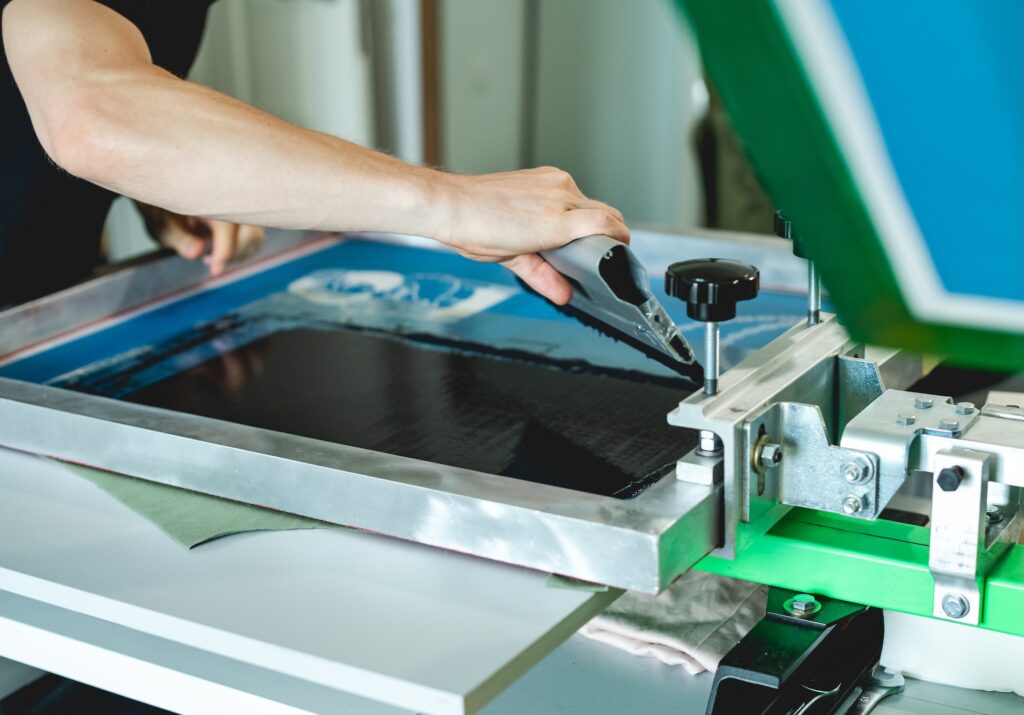
Screen printing for glass involves a stencil, also known as a screen, which transfers the design onto the glass. This method uses UV inks and requires a large setup. Each color in the design needs its own stencil, making the process more labor-intensive.
While the setup may take time, it is ideal for creating consistent designs, especially when producing large quantities. This technique allows for thick ink layers, ensuring durability and long-lasting color.
Screen printing is particularly suited for projects that require high volumes of consistent prints. Because each layer of ink is applied separately, it offers better color accuracy and depth for large batches.
The ink used in screen printing is more resistant to fading over time, especially under harsh conditions, which makes it the preferred choice for long-term outdoor use.
Several industries use screen printing on glass, including automotive, construction, and large-scale architectural projects.
How Does Digital Printing Work for Custom Glass Designs?
Digital printing works by applying the design directly to the glass using high-tech multi-function machinery. Unlike screen printing, there is no need for stencils or lengthy setups. The method allows for more flexibility, making it easier to switch between designs quickly.
Digital printing also lets you print in multiple colors at once, which can speed up the production process. There’s no need for screens or extra space for storing stencils, and less maintenance is required.
Digital printing stands out when you need detailed designs or smaller orders. It works well for projects that involve multiple colors or complex images.
Since it doesn’t require large setups or drying time between colors, it’s more efficient for small-batch production. It can save on both time and cost, especially for custom or one-off projects where each design may vary.
Many industries take advantage of the flexibility digital printing offers. Interior design, signage, and custom artwork projects all benefit from the ability to create intricate designs with vibrant colors.
Key Differences Between Screen Printing and Digital Printing
While these two methods each have their benefits, they differ in some important ways. Here are four key differences:
- Design flexibility
- Batch size
- Durability
- Speed of production
- Cost
Design Flexibility
Digital printing offers far more freedom when it comes to intricate and detailed designs. Since the process involves direct application of the design onto the glass, it’s easy to include multiple colors, gradients, and fine details.
Screen printing is better suited for simpler, more straightforward designs due to the need for separate stencils for each color.
Batch Size
Screen printing is often the best choice for large production runs. Once the stencils and setup are in place, this method becomes highly efficient for producing a large number of pieces with the same design. Digital glass printing benefits include being ideal for smaller batches or one-off custom orders because it doesn’t require the same lengthy preparation time.
Durability
Screen printing is generally more durable, especially for outdoor projects. The ink used in screen printing is thicker and often more resistant to wear and fading. Digital printing can still produce long-lasting results, but screen printing tends to hold up better under harsh conditions.
Speed of Production
When it comes to speed, digital printing typically offers a quicker turnaround for smaller, custom projects. The ability to print multiple colors at once and avoid long setup times makes digital printing much faster for projects with tight deadlines or frequent design changes. Screen printing takes more time upfront, especially when several colors are involved.
When to Choose Screen Printing for Glass
Screen printing is often the better option for large projects, especially when fewer colors are involved. Once the setup is complete, it becomes highly efficient for producing many identical pieces. The fewer colors used, the quicker and more cost-effective the process, as each color requires its own screen, drying, and cooling time.
It’s also ideal for projects that need to withstand harsh environments. Another benefit of screen printing is its ability to create uniform designs across large batches. Every piece can be made to look exactly the same, ensuring consistency in color and design across hundreds or thousands of glass pieces.
When to Choose Digital Printing for Glass
Digital printing is ideal for smaller projects or those that require frequent design changes. Unlike screen printing, it doesn’t require long setups or the creation of stencils. So it’s more cost-effective for short runs where flexibility is important.
Digital printing excels when it comes to producing intricate designs with multiple colors. Since everything is printed at once, it can handle detailed images and gradients that would be too time-consuming with screen printing. So it’s perfect for artistic glass, custom artwork, or detailed architectural features.
One of the major benefits of digital printing is its fast turnaround. Without the need for extensive setup or drying times between colors, digital printing can produce glass designs quickly.
Additional Considerations for Custom Glass Printing
Cost can play a big role in deciding which method to use. Screen printing may be more cost effective for large production runs, as the setup cost is spread over many pieces. Digital printing is better for smaller projects since it doesn’t require the same preparation and can reduce overall expenses for low-quantity orders.
Screen printing, while durable, often results in more waste due to the cleaning and storage of stencils and extra materials. If reducing waste is a priority, digital printing might be the better choice.
Comparison of Printing Techniques
As we’ve seen, choosing between digital and screen printing for custom glass designs depends on your project’s needs.
At FGE Solutions, we excel in the Float Glass and Flat Glass fabrication industry. We were started by production professionals, and our extensive knowledge and experience mean we can analyze current glass production and offer custom solutions and improvements.Get in touch today to find out how we can help with your glass needs!